
By Karen Stiller
ONCE when a friend and I were having coffee and chatting about hell, as friends do, and I grew increasingly squeamish at the topic, as one does, my friend surprised me by saying: “Why would someone bother sharing the gospel, if they weren’t thinking about saving someone from going to hell?”
Now, years later, the rest of the conversation has faded in my memory, as conversations do, but I really hope I said out loud what I was thinking, and what I think still: that saying yes to Jesus impacts life here and now and is more than enough reason to share our faith.
The other day I interviewed Marty Solomon for “Good Books Big Questions,” a podcast I host for NavPress publishing. Marty has co-authored a new book called The Gospel of Being Human: How Asking Better Questions of the Bible Reveals Who We Are. At the core of this book is a reassurance that it’s okay to have questions, and that if we approach scripture with curiosity and not hard-baked certainty of what we already think to be true, we might be very pleasantly surprised at what we find.
Mention of God’s love for us in the Bible, for example, outweighs God’s wrath by 1000:3. Isn’t that a great ratio to know about? At one point in my conversation with Marty, my heart lifted when he quoted another author who said that the Cross and the Resurrection were about “life before death,” also, and not only life after death, which is how we sometimes treat it. It felt like one of the truest things I’ve ever heard.
Jesus’ resurrection from the dead offers us eternal comfort and promise, yes, but also can (and should) change our life today, beautifully and abundantly.
If God has so much to offer to us right now, then God’s people, the Church, have a multitude of goodness to offer curious, interested and open people who might wander through the front doors.
Some of those people, if the global trends prove true in Canada, might be young people.
Around the world, many members of Gen Z (those born between 1997 and 2012) appear to be spiritually open and curious about faith and religion, eager to explore the holy books of faith – including the Bible – and believe that God is real. They usually arrive at consideration of faith without the baggage of previous generations who might have been hurt by the Church or raised in it and are now bored or bothered by it. These young people are curious. Christianity is one option for them, among many, and they seem to be as open to it as any other good option.
This is good news for the Church. And we know we have good news for the young people who might show up with their curiosity and questions, open to hearing how loved they are by God.
I had the chance to work with Cardus and the Canadian Bible Society to research whether the Gen Z trend of openness to faith was also present in Canada. The conclusion we reached was that there is anecdotal evidence of young adults attending churches across Canada in increasing numbers and being open to faith, but the statistics don’t quite yet match the stories. That might yet come. The global trends – especially in the United Kingdom and the United States – of Gen Z coming to church give good reason to Canadian congregations to look around and ask themselves if they are ready to welcome in young people, and if not, how they could prepare.
Here, we return to the power of curiosity. I’ve been a professional question-asker for almost 30 years, interviewing people for news stories or features, telling the good stories of God working in people’s lives, and most recently interviewing authors about their new books. It’s amazing how much you can learn by being a curious question-asker.
When we talk less and listen more, life is just way more interesting.
Have you ever been to a dinner party and one person monopolizes the conversation and doesn’t ask anyone else a single question? They miss out on so much! After stewing in my own juices for a while being annoyed by the monopolizer, I usually just feel sorry for them. They miss out on so much rich conversation.
We don’t want to be like that. As a Church that might be about to change for the better with a generation of young people interested and open to Christianity, now is the time to ask questions and to listen. The Cardus/Canadian Bible Society report is entitled, “Faith Restored? The Evolving Relationship Between Religion and Young Canadians” www.cardus.ca/research/spirited-citizenship/reports/faith-restored/ and ends with a series of questions the Church could ask herself about this trend and our openness to it. Here are a few of them:
• How will churches listen and respond to the needs of young Canadian adults who might attend?
• What unhelpful assumptions do churches make about young people and faith?
• How can churches remain open, expectant, and realistic about a possible surge of interest in faith and church among young people?
How do Anglican churches in particular (some of us are known for being rather set in our ways) remain open and expectant? How can we listen and respond?
Part of the answer is surely by nurturing the discipline of curiosity. Like the annoying, busy talker at a dinner party whose spouse finally kicks them under the table, let’s close our mouths and open our ears. And Eastertide is the perfect time to be curious as we ask ourselves what difference the resurrection actually makes to our lives right now, and how we can invite whomever shows up at our churches into that answer. TAP
Karen Stiller is host of the Good Books Big Questions podcast, a writing coach and author of Holiness Here (Navpress, 2024) and The Minister’s Wife (Tyndale House, 2020). She lives in Ottawa.

IN THE FOURTH century, in the region we now know as Turkey, there lived a pastor named John. Although his life was relatively short (he died at the age of 58) he has had an enormous impact on the Christian church. John was incredibly gifted, intense, and deeply serious about his faith. Not long after his conversion, he withdrew from society to live as a hermit for several years. He allegedly spent two full years doing nothing but memorizing the Bible while standing up. It was a rigorous discipline; he hardly slept, and his health was permanently damaged by the ordeal.
continue reading
ONCE when a friend and I were having coffee and chatting about hell, as friends do, and I grew increasingly squeamish at the topic, as one does, my friend surprised me by saying: “Why would someone bother sharing the gospel, if they weren’t thinking about saving someone from going to hell?”
continue reading
POOR Pierre Poilievre, leader of the Conservative Party of Canada. On the one hand, a part of his base thinks he is too mild. That he should be more outraged in response to a long list of grievances from the past years. On the other hand, media pundits (and, indeed, the polls) suggest he may be too pugnacious, too negative, to really appeal to the broader Canadian public. We’ll see if his new advisor, Steve Outhouse, can help him pivot to a new, more positive and visionary tone, to give him renewed hope of electoral success.
continue reading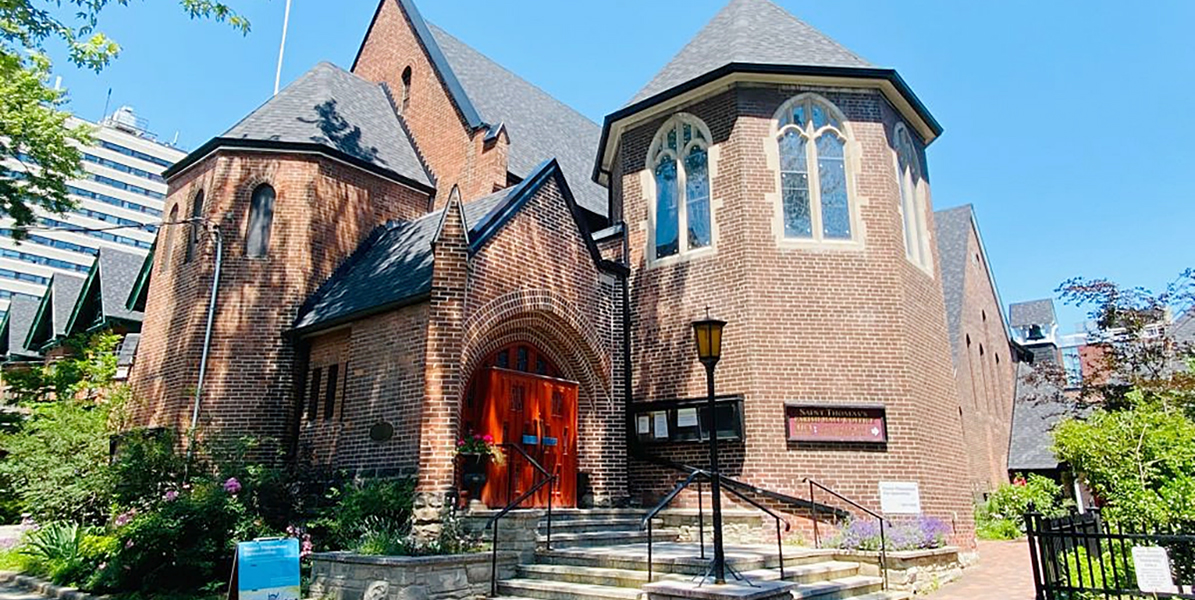
AN Easter homily series on the spiritual senses got off to a strong start on April 12 at St. Thomas’ Anglican Church in Toronto.
ONCE when a friend and I were having coffee and chatting about hell, as friends do, and I grew increasingly squeamish at the topic, as one does, my friend surprised me by saying: “Why would someone bother sharing the gospel, if they weren’t thinking about saving someone from going to hell?”
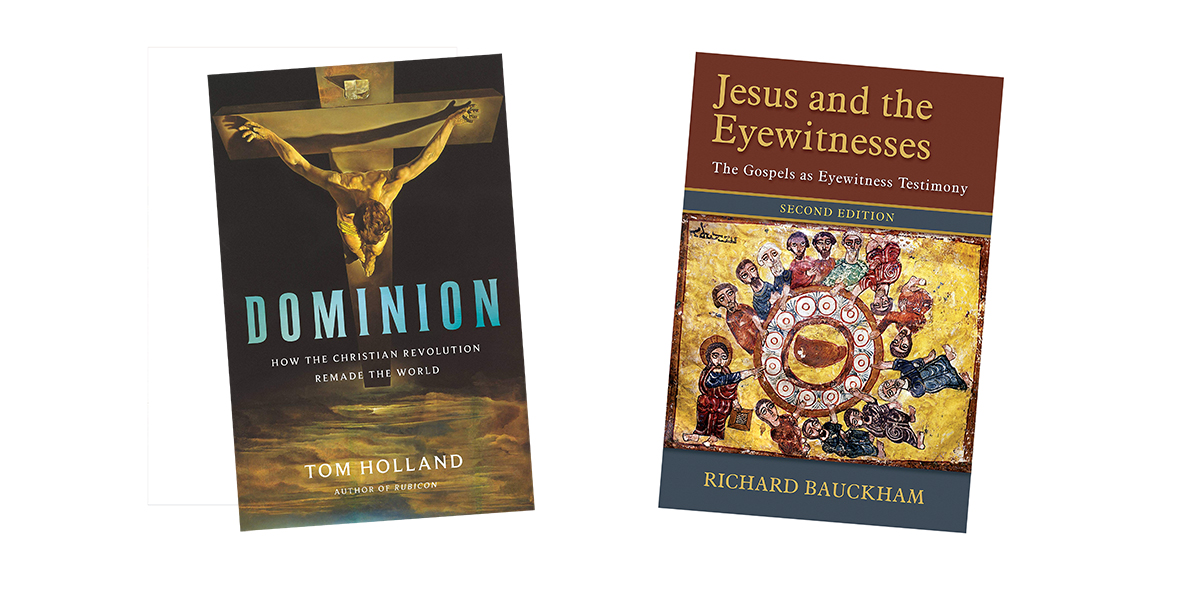
How the writings of Tom Holland and Richard Bauckham support a resurrection faith today

Copyright © 2026 The Anglican Planet. All rights reserved